Schools & Education
Hazardous Air Quality Forces Sterling Heights-Area Charter School Network to Close
By Staff · July 21, 2026
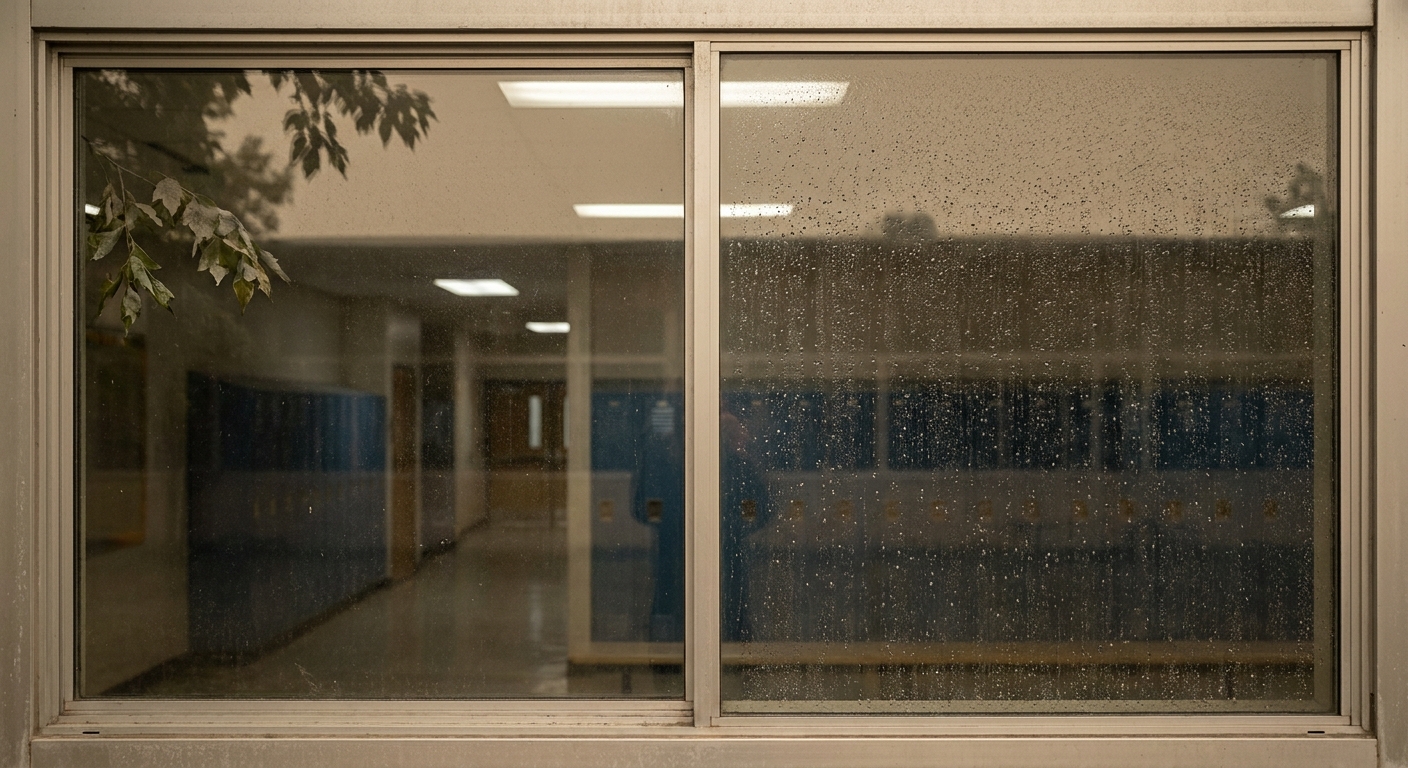
Sterling Heights-area families at Noor International Academy faced a school-day disruption Friday, July 17, after wildfire smoke from fires in Ontario, Canada, and northern Minnesota drove Michigan into an air-quality emergency—yet no single authority coordinated which schools would close and which would stay open, leaving families across metro Detroit navigating conflicting safety decisions.
The Michigan Department of Environment, Great Lakes, and Energy issued a statewide Air Quality Alert for July 17–18, 2026, for elevated fine particulate matter, known as PM2.5, from the wildfire smoke. EGLE forecast Hazardous, or maroon AQI, conditions in the Upper Peninsula and Very Unhealthy, or purple AQI, conditions in the Lower Peninsula for Friday, July 17. Some locations approached AQI values near 1,000.
In Michigan, each individual school district or charter school decides for itself whether to close due to poor air quality; EGLE and the Michigan Department of Health and Human Services provide guidelines but do not mandate closures. No state or county authority coordinates air-quality closure decisions across charter and traditional public schools, leaving families in the same community subject to divergent safety protocols set by independent administrators.
That decentralized structure meant different responses to the same public-health threat. Royal Oak Schools kept summer programs indoors on Thursday, July 16, 2026, in response to poor air quality. On July 17, families with children in different school systems faced divergent safety calls on the same hazardous day—one system deemed the air too dangerous for any school activity, while another kept buildings open with indoor-only protocols. No shared threshold guided when to close versus when to move activities indoors.
For parents, those divergent calls carried immediate consequences: childcare scrambles, missed work, and unanswered questions about which response was adequate. School districts and charter networks have not publicly explained what air-quality thresholds would trigger a full closure rather than indoor-only operations, leaving parents without clear benchmarks for future smoke events. As wildfire smoke becomes a recurring summer threat in Michigan, families need a coordinated, transparent framework—with defined AQI triggers, verified HVAC filtration standards, and advance communication plans—that ensures all students, charter and traditional public alike, receive equal protection under the same hazardous sky.